%2Ffit-in%2F250x250%2Fguide_websites%2F16054%2Fimages%2F17195291657111da189e1cddaec4550f162fd684d7fdd-removebg-preview.png&w=1920&q=100)
/users/e01883c4-d190-4397-b517-df1286bffe91/ratecard/image-2024-06-04t060020.266.png)
%2F300x300%2Fusers%2Fe01883c4-d190-4397-b517-df1286bffe91%2Fratecard%2Fimage-2024-06-04t060020.266.png&w=256&q=75)
%2F300x300%2Fusers%2Fe01883c4-d190-4397-b517-df1286bffe91%2Fimages%2Fangler-texas-fishing-catch-2392.jpg&w=256&q=75)
%2F300x300%2Fusers%2Fe01883c4-d190-4397-b517-df1286bffe91%2Fimages%2Fspotted-weakfish-fishing-texas-2638.jpg&w=256&q=75)
%2F300x300%2Fusers%2Fe01883c4-d190-4397-b517-df1286bffe91%2Fimages%2Fredfish_report.png&w=256&q=75)
%2F300x300%2Fusers%2Fe01883c4-d190-4397-b517-df1286bffe91%2Fimages%2Fanglers-catch-bountiful-variety-fish-3493.png&w=256&q=75)
%2F300x300%2Fusers%2Fe01883c4-d190-4397-b517-df1286bffe91%2Fimages%2Fredfish-fishing-texas-2467.png&w=256&q=75)
%2F300x300%2Fusers%2Fe01883c4-d190-4397-b517-df1286bffe91%2Fimages%2Ffishing-corpus-christi-2455.png&w=256&q=75)
%2F300x300%2Fusers%2Fe01883c4-d190-4397-b517-df1286bffe91%2Fimages%2Fspotted-weakfish-corpus-christi-2709.png&w=256&q=75)
%2F300x300%2Fusers%2Fe01883c4-d190-4397-b517-df1286bffe91%2Fimages%2Ffishing-tx-one-fish-2687.png&w=256&q=75)
%2F300x300%2Fusers%2Fe01883c4-d190-4397-b517-df1286bffe91%2Fimages%2Fbig-catch-corpus-christi-2608.png&w=256&q=75)
%2F300x300%2Fusers%2Fe01883c4-d190-4397-b517-df1286bffe91%2Fimages%2Fredfish-texas-fishing-2736.png&w=256&q=75)
Corpus Christi's Top-Rated 8-Hour Fishing Charter
 Corpus Christi
What you will be catching:
 Black Drum
 Redfish
 Sea Trout
 Summer Flounder
- 8-hour guided fishing trip targeting premium Gulf Coast species
- Expert local captain provides equipment and scenic coastal experience
- Suitable for all skill levels with hands-on instruction included
Trip Pricing and Availabilities:
Full Day Fishing in Corpus Christi: Redfish & More
Ready to hit the water for some serious fishing action? Captain Cordon's got you covered with this full-day trip out of Corpus Christi. We're talking 8 solid hours of casting, reeling, and hopefully lots of catching. Whether you're after that bull redfish of a lifetime or looking to fill the cooler with tasty speckled trout, this trip's got something for every angler. And don't worry if you're new to the game – the Captain's as patient as they come and loves showing folks the ropes.
What to Expect on the Water
We'll push off early, while the sun's still yawning over the Texas coast. Captain Cordon knows these waters like the back of his hand, so we'll be headed straight for the honey holes. Might be working some grass flats for reds, drifting deep channels for trout, or maybe even poling the shallows if conditions are right. The beauty of Corpus is you've got options, and we'll adapt to whatever the fish are doing that day. Gear's all provided, so just bring your game face and maybe a lucky hat. Oh, and don't forget the sunscreen – that Texas sun can be brutal out on the water.
Fishing Tactics & Hotspots
Depending on what's biting, we might be tossing soft plastics, working topwater lures, or good old-fashioned live bait fishing. Captain Cordon's always got a few tricks up his sleeve, like sight-casting to tailing reds in skinny water or jigging for flounder around structure. We could hit spots like Mustang Island, the Laguna Madre, or even sneak into some back bays if the tides are right. And let me tell you, there's nothing quite like the thump of a big red taking your bait in knee-deep water. It's the kind of rush that keeps anglers coming back year after year.
Species You'll Want to Hook
Redfish: These copper-colored beauties are the crown jewels of Texas inshore fishing. They'll test your drag and your patience, especially when they're tailing in the shallows. Fall's prime time for the big bulls, but we catch 'em year-round. There's a reason they call 'em the "poor man's permit" – they're just as finicky and twice as fun to catch.
Speckled Trout: If you're looking to put some fillets in the cooler, specks are your go-to. These silvery game fish are abundant in Corpus waters and put up a great fight on light tackle. We often find them around grass beds or deeper holes, and they're suckers for a well-presented soft plastic. Spring and fall are usually the best seasons, but a good captain can put you on trout any time of year.
Flounder: These flatfish might not look like much, but they're prized for both their fight and their flavor. We typically target them around structure or drop-offs, using a slow retrieve that mimics their bottom-dwelling prey. Fall's the prime time when they're migrating to spawn, but you can catch keeper flounder most of the year if you know where to look.
Black Drum: Often overlooked, black drum can provide some serious pull, especially the big ones. They love crustaceans, so we'll often use crab or shrimp to entice them. You'll find them hanging around oyster reefs or in deeper channels. While the smaller ones are great eating, the big ones over 30 pounds can get a bit wormy, so we usually practice catch and release with those giants.
Why Anglers Keep Coming Back
Corpus Christi's got a little bit of everything for the inshore angler. One minute you're sight-casting to reds in gin-clear flats, the next you're working a deep channel for gator trout. It's this variety that keeps folks coming back trip after trip. And let's not forget the scenery – from the birds working bait to the occasional dolphin sighting, there's always something to see out here. Plus, with Captain Cordon at the helm, you're not just catching fish, you're learning the waters. He's always happy to share tips on reading the water, working lures, or even filleting your catch.
Time to Book Your Spot
Look, I could go on all day about the fishing here in Corpus, but the truth is, you've got to experience it for yourself. Whether you're a seasoned pro looking to tangle with some big reds or a newbie just wanting to bend a rod, this full-day trip's got you covered. Captain Cordon's got the knowledge, the gear, and the attitude to make sure you have a day on the water you won't forget. Just remember, the fish are always biting, but spots on the boat fill up fast. So if you're thinking about it, don't wait – get that trip booked and start dreaming of screaming drags and bent rods. Trust me, your future self will thank you when you're holding up that trophy red for the camera. Tight lines, and hope to see you out on the water soon!
Learn more about the species
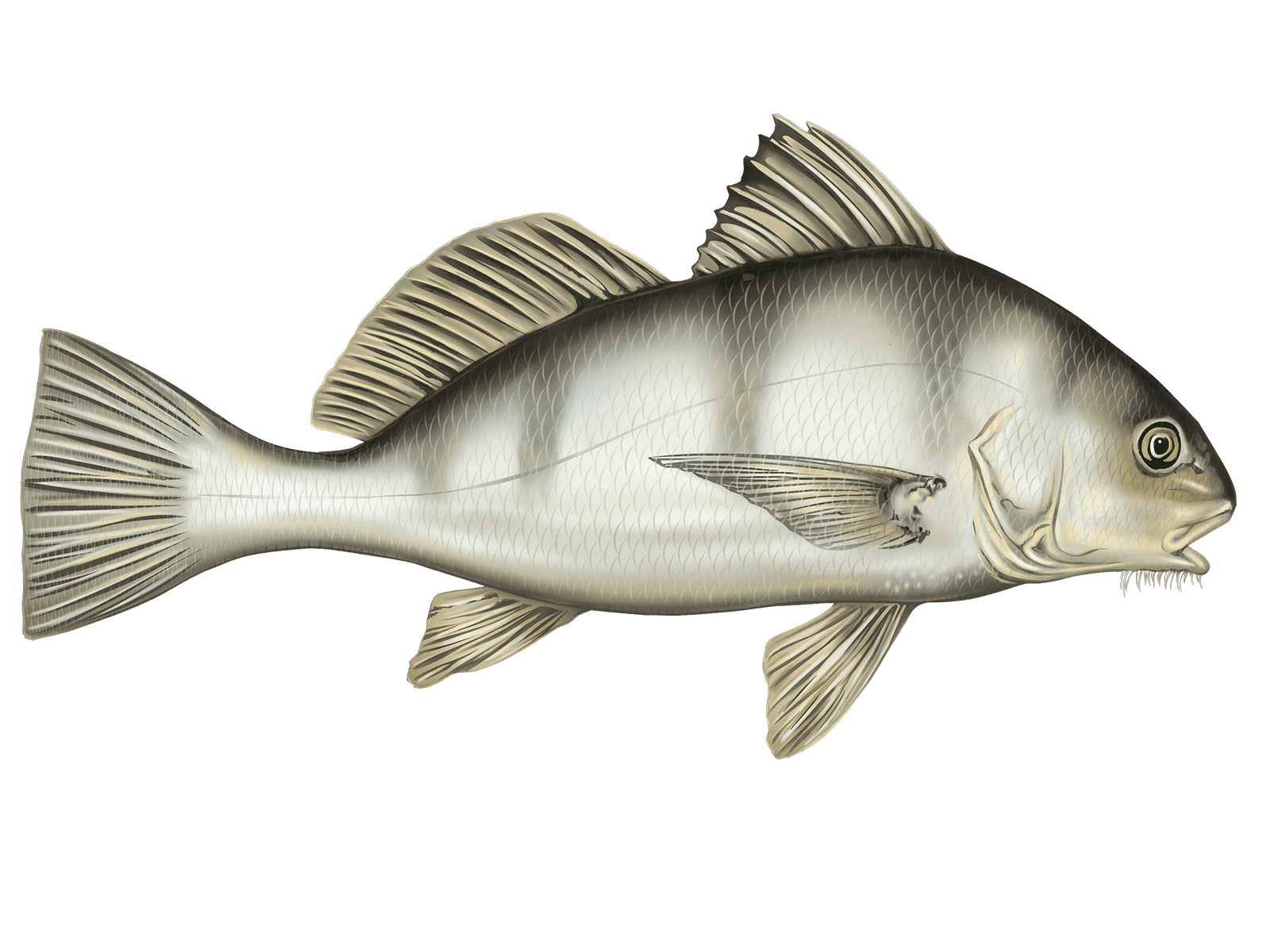
Black Drum
Black Drum are the heavyweights of the drum family, packing a punch at 5-30 pounds on average. You'll find these bruisers hanging around oyster beds, mudflats, and pier pilings in our bays and estuaries. They're bottom feeders with a sweet tooth for crabs and shellfish. Spring's your best bet when they school up to spawn, making them easier to target. Anglers love Black Drum for their strong fight and good eating, especially the smaller ones under 15 pounds. When you're after them, use fresh crab or shrimp on a circle hook - it's like ringing the dinner bell. Here's a local tip: fish the falling tide near creek mouths. The drum often stack up there to ambush prey getting swept out with the current. Just remember to bring your patience; these fish can be stubborn, but the payoff is worth it.
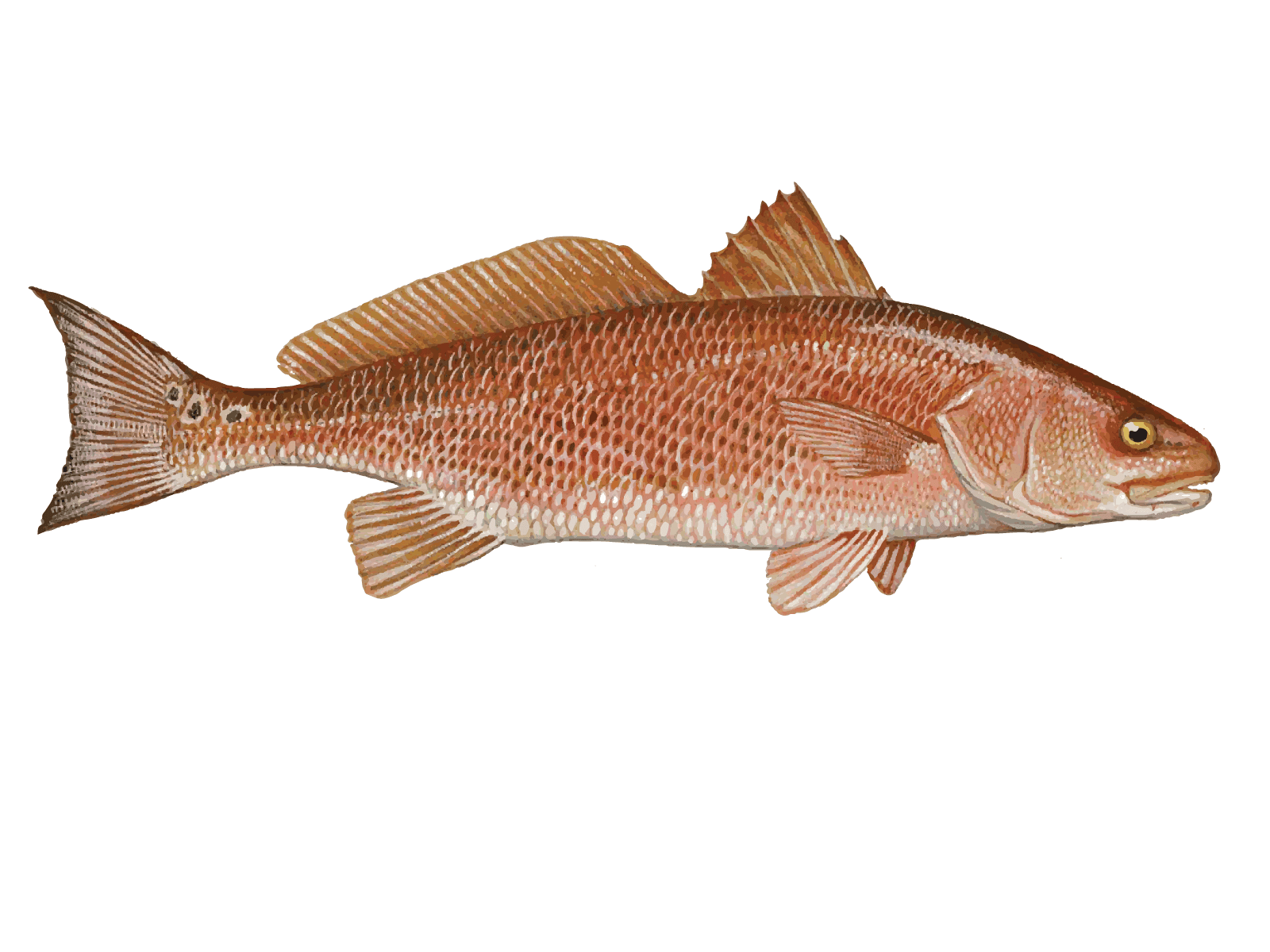
Redfish
Redfish, or Red Drum, are the rockstars of our local waters. These copper-colored fighters typically range from 20 to 40 inches, with a distinctive black spot near the tail. You'll find them tailing in shallow flats, often in water so skinny their backs break the surface. They love hanging around oyster reefs, grass beds, and mangroves. Fall is prime time when they school up, but you can catch them year-round. Anglers prize redfish for their strong fights and excellent table fare. When targeting them, try sight-casting with soft plastics or live bait like shrimp or mullet. Here's a tip: on windy days, fish the lee shores where reds often push up to feed. And keep an eye out for those telltale "nervous water" - it could be a school of reds on the move.
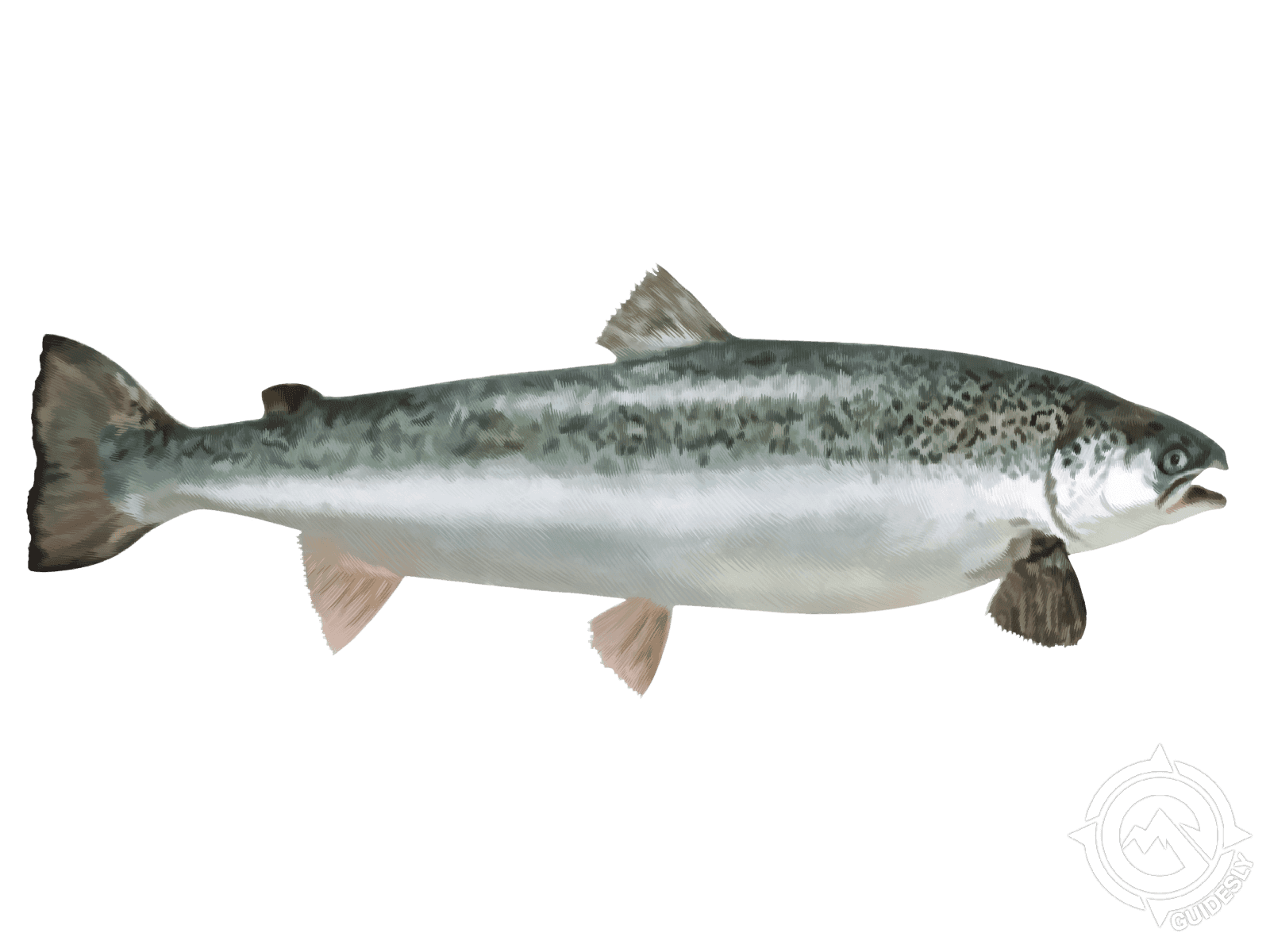
Sea Trout
Sea Trout, also called Speckled Trout, are a favorite around here. These silvery, spotted beauties typically run 14-24 inches and put up a great fight. You'll find them in grass flats and shallow waters, especially at night. They love hanging around structure and drop-offs. Spring and fall are prime seasons, but you can catch them year-round. Trout are popular for their delicate, flaky white meat that's great on the grill. When you're after them, try using soft plastics or topwater lures early in the morning. Here's a local secret: on calm days, look for "slicks" on the water surface – those oily patches often mean trout are feeding below. These fish are known for their soft mouths, so set the hook with a quick, smooth motion rather than a hard jerk. It's all about finesse with these guys.
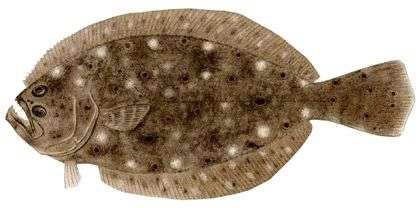
Summer Flounder
Summer Flounder, or Fluke, are masters of camouflage with both eyes on their left side. These flatfish typically run 15-20 inches, but the big ones can hit 26 pounds. You'll find them lurking on sandy or muddy bottoms in our bays and along the coast. They're ambush predators, so they'll wait for an easy meal to swim by. September to November is prime time for catching these "chameleons of the sea." Anglers love targeting them for their delicious white meat and the challenge they present. When you're after Flounder, try drifting with live bait like mullet or croakers. Here's a trick: use a bucktail jig tipped with a strip of squid and bounce it slowly along the bottom. The key is to keep your bait in the strike zone, right where these crafty fish are waiting to pounce.
About the Cabin Cruisers
%2F%2Fusers%2Fe01883c4-d190-4397-b517-df1286bffe91%2Fvehicle_picture%2Fimage-2024-06-04t063622.289.png&w=1920&q=75)
Vehicle Guest Capacity: 4
Manufacturer Name: Mercury
Maximum Cruising Speed: 50
Number of Engines: 1
Horsepower per Engine: 225